
DDifferent types of catalysts exert a profound influence on the HPHT synthesis of diamond, as evidenced by various theoretical models and experimental findings:1. Transition Metals (Fe, Co, Ni, Mn, Cr) – Dual Catalytic & Solvent RolesTransition metals are the most widely used catalysts in diamond synthesis due to their unique electronic configurations:Electronic Structure Effects: These metals possess unfilled d-electron shells. They can temporarily capture electrons from carbon atoms to form interstitial solidsolutions and intermediate phases, thereby acting as effective "solvents" that dissolve and activate carbon into sp3 states.Lowering Activation Energy: The unfilled d-orbitals allow these catalysts to significantly lower the activation energy required for the graphite-to-diamond phase transition, enabling the reaction to occur under far more accessible HPHT conditions.2. Unique Effects of Nickel (Ni) Catalyst:Supersaturation-Driven Growth: At 5.5 GPa and 1460°C, the solubility ratio of graphite to diamond in molten nickel is 1.047. When graphite reaches saturation, the solution automatically achieves a 4.7% supersaturation relative to diamond, providing the fundamental thermodynamic driving force for rapid diamond crystallization.Lattice Matching and Structural Induction: The close-packed {111} planes of nickel match exceptionally well with the graphite net planes and diamond {111} planes. This geometric alignment attracts the 2Pz electrons of graphite, causing the hexagonal planes to wrinkle and align directly into the diamond cubic lattice.Coordination Covalent Catalysis (MCCM Model): Molten Ni atoms in a d2 valence state can form d2sp3 hybridized octahedral non-localized covalent bonds with surrounding carbon atoms. This specific bonding forces graphite's C6 layers to wrinkle into sp3-hybridized double-layers, after which the metal atoms dissociate.3. Crystal Defects Left by Cobalt (Co) and Nickel (Ni)Carbide Inclusions: Structural analysis of diamonds synthesized using Co and Ni catalysts reveals metastable Co or Ni carbide inclusions as dominant internal defects. These interstitial metal atoms are trapped in the octahedral vacancies of the growing diamond crystal, physically verifying that the transition metals actively participate in both the dissolving and catalytic crystallization stages of growth.4. Limitations of Non-Transition Metals (e.g., Cu, Pb)Solvent without Catalysis: While metals like copper (Cu) and lead (Pb) can dissolve carbon at high temperatures, they lack the unfilled $d$-electron shells necessary to catalyze and excite the graphite structure into a tetrahedral configuration. Consequently, they cannot synthesize diamond under HPHT. This limitation strongly refutes the pure "solvent theory" and proves that an effective catalyst must possess both solvent capabilities and catalytic activation properties.
read more+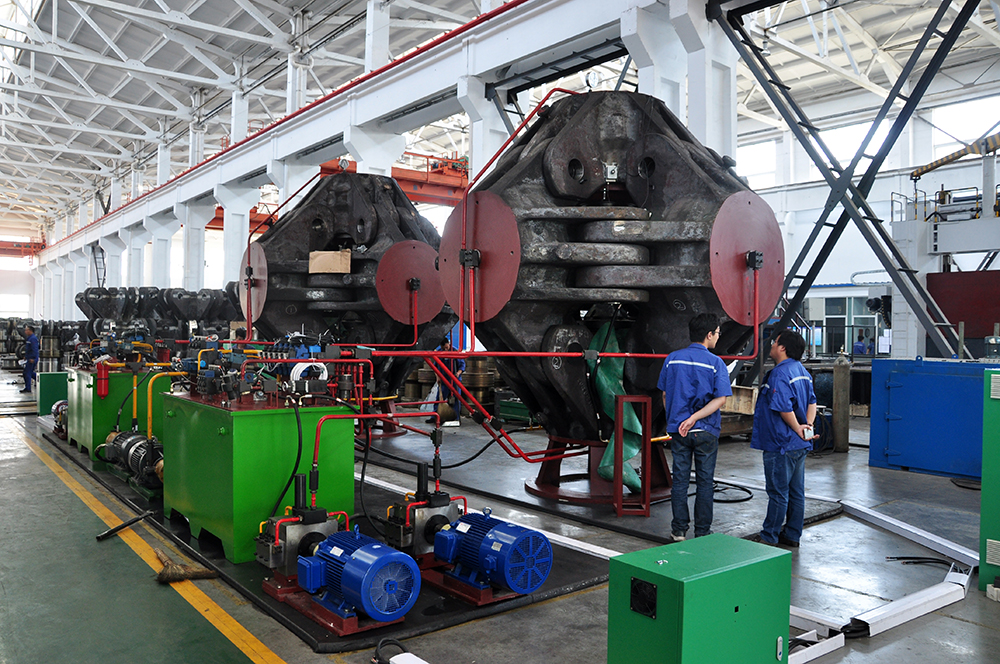
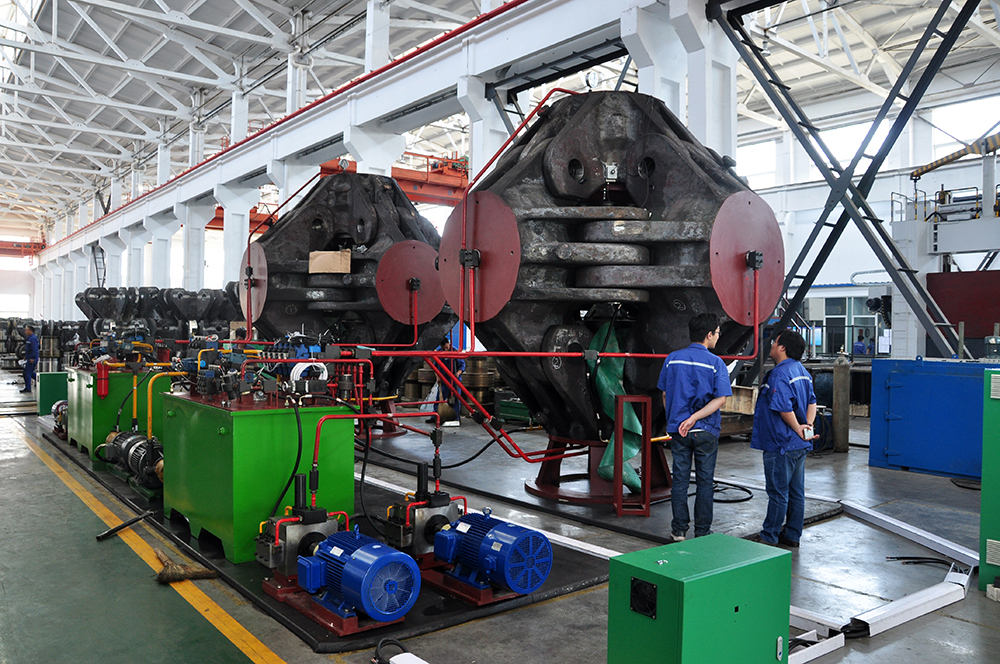
Synthesizing synthetic diamonds imposes extremely demanding physical, process, and control reliability requirements on the pressure measurement and control system. Any failure or malfunction in the system can lead to severe physical destruction, catastrophic equipment damage, and heavy economic losses.Strict Requirements for Pressure Measurement and Control ReliabilityMaintaining Ultra-High Temperature and Pressure Thermodynamic Boundaries: Synthetic diamond synthesis (HPHT method) relies on graphite transforming in the presence of catalysts under extreme conditions of approximately $2000^\circ\text{C}$ and hydraulic pressures up to $100\text{ MPa}$ (with actual chamber pressures exceeding $5\text{ to }6\text{ GPa}$). The system must ensure that the entire reaction remains strictly within the "diamond stable zone" of the carbon phase diagram; any pressure fluctuations will deviate from the crystal growth window.Precision in Multi-Stage Gradient Pressurization and Command Dispatch: The synthesis process in a cubic press involves critical transition nodes across multiple stages, including pre-pressing, pressurization, high-pressure holding, and gradual decompression (such as the 7 command dispatch points configured in the system). The control system must guarantee zero drift and zero misjudgment at each set pressure threshold to maintain synchronized hydraulic valve switching and command execution.Immunity to Strong Electromagnetic and Industrial Noise Interference: Synthesis plants operate continuously for extended periods, where strong surge currents and severe electromagnetic noise are generated by high-power heating power supplies, frequently cycling high-pressure hydraulic solenoid valves, and motor startups. The measuring instrument must possess robust anti-interference redundancy to prevent program crashes or runaway code execution.Severe Consequences of System Malfunctions or False OperationsDecompression in Molten State and Explosive Blowouts: When the metal catalyst and carbon source inside the synthesis capsule are in a high-pressure, high-temperature molten eutectic state, any false pressure-relief command triggered by heavy interference will cause a sudden chamber pressure drop. This triggers an instantaneous volumetric expansion of the molten material, resulting in a violent blowout/explosion that destroys the tungsten carbide anvils, shatters the press frame, and severely endangers personnel safety.Failure of Overtravel Protection and Anvil Fractures: If the pressure feedback fails, reads falsely low, or fails to trigger overtravel protection, the hydraulic system will continue to apply excessive stroke and over-limit tonnage. This can cause direct collision interference and catastrophic stress-induced fracturing of the expensive cemented carbide anvils.Batch Crystal Defects and Material Scrapping: Fluctuations or delays in pressure control disrupt the nucleation rate and step-growth of the diamond crystals, causing heavy metal inclusions, polycrystallinity, structural cracking, or graphitization reversal, leading to the complete loss of costly raw materials and high-energy-consuming operating cycles.
read more+
Diamond film thickness plays a decisive role in thermal dissipation performance, primarily by dictating the transition of the heat conduction mechanism and directly lowering the operating surface temperature of heat-generating devices:1.Transition from "Point Dissipation" to "Area-Plane Dissipation"The heat dissipation of diamond thin films is characterized by lateral diffusion, known as area-plane heat dissipation.When the film is thin, it cannot dissipate heat effectively in a plane-like manner, exhibiting only the point heat dissipation mechanism of conventional materials. Thus, the ultra-high thermal conductivity of diamond is not fully utilized.As the film thickness increases, the area-plane heat dissipation mechanism becomes increasingly pronounced and eventually stabilizes, leading to a dramatic improvement in overall thermal performance.2.Significantly Reducing Device Operating TemperaturesIn experimental tests where LED heating units were packaged on the diamond films and operated under identical electrical power, a greater film thickness led to a significantly lower LED surface temperature after 5 minutes of operation.With other deposition parameters held constant, thicker films allow heat to be spread and dissipated rapidly through the area-plane mechanism, minimizing temperature rise.3.Practical Implications for Manufacturing EfficiencyBecause a minimum thickness is required to establish stable and efficient area-plane dissipation, obtaining a sufficiently thick film is a prerequisite for fabricating qualified heat spreaders.Optimizing process parameters (like increasing microwave power or raising substrate temperature) to enhance the growth rate is aimed at reaching the required thickness for area-plane dissipation in a shorter time, thereby boosting production efficiency.
read more+
Colored artificial diamonds—especially the NV (nitrogen-vacancy) centers and SiV (silicon-vacancy) centers within them—do not just give crystals beautiful colors. Because their fluorescence emission features high monochromacy, photostability, and room-temperature operability, combined with diamond's excellent biocompatibility and chemical inertness, they exhibit indispensable and unique value in the field of quantum technology.Their core applications are mainly concentrated in two major directions: Quantum Sensing (Precision Measurement) and Quantum Computing & Quantum Communication.1. Quantum Sensing (Nanoscale Precision Measurement)The ground state of the NV center's electron spin in diamond is a spin-triplet state, which is extremely sensitive to external physical field perturbations such as magnetic fields, electric fields, temperature, and pressure. Furthermore, its quantum state can be initialized and read out through optical methods, making it an excellent "atomic-scale sensor."Highly Sensitive Magnetometers and Magnetic Field Imaging: Researchers have realized nanoscale magnetometers based on single NV centers, enabling high-precision magnetic field imaging under room temperature and extreme environments.Biological and Neural Sensing (Non-invasive Detection): Utilizing NV quantum defects in diamond, scientists have achieved non-invasive, high spatio-temporal resolution detection of action potential magnetic fields in single neurons. This label-free and highly biocompatible technique provides a brand-new tool for studying neural conduction in complex physiological environments.Single-Photon Source Preparation: High-purity and high-yield single-photon emitters can be produced using NV centers prepared efficiently in nanodiamonds through high-energy particle (such as proton) irradiation, offering a feasible pathway for nanoscale quantum sensing and biological imaging.Breaking the Standard Quantum Limit: Utilizing multi-spin entangled states in diamond NV defects, scientists have successfully achieved phase measurement sensitivity that surpasses the standard quantum limit at room temperature.Entanglement-Enhanced Single-Spin Detection: By preparing NV center pairs with a spacing of only 5 nm and constructing quantum entangled states, the contradiction between signal amplification and noise interference was successfully resolved, achieving entanglement-enhanced nanoscale single-spin detection in noisy environments for the first time.Coherence Enhancement: Constructing a diamond-graphene heterojunction hybrid structure can increase the coherence time of NV centers by approximately two-fold, significantly enhancing the quantum coherence characteristics of nanoscale sensors.2. Quantum Computing and Quantum Communication (Solid-State Quantum Information Processing)Diamond color centers are among the core candidate systems for achieving scalable solid-state quantum computing. Their biggest advantage is the ability to operate at room temperature and possess millisecond-scale electron spin coherence times, providing a sufficient window for quantum logic operations.Long-Distance Quantum Entanglement and "Quantum Teleportation": Scientists have successfully achieved quantum entanglement between two NV centers separated by more than 1.3 km, validating key components of quantum relays and quantum teleportation. This lays the foundation for developing modular quantum computing architectures connected by photons.Quantum Repeaters: Based on SiV centers in nanophotonic diamond resonant cavities, an asynchronous Bell-state measurement based on quantum storage was experimentally demonstrated. Its key generation rate surpassed the ideal direct transmission limit, verifying core functions for quantum repeaters.Micro-Nano Integrated Spin Manipulation: A hybrid structure of "tapered fiber-nanowire-electrode" was developed to achieve spatially selective, high-precision microwave manipulation of spin defects in diamond, opening up new pathways for developing compact, miniaturized solid-state quantum processors and sensors.
read more+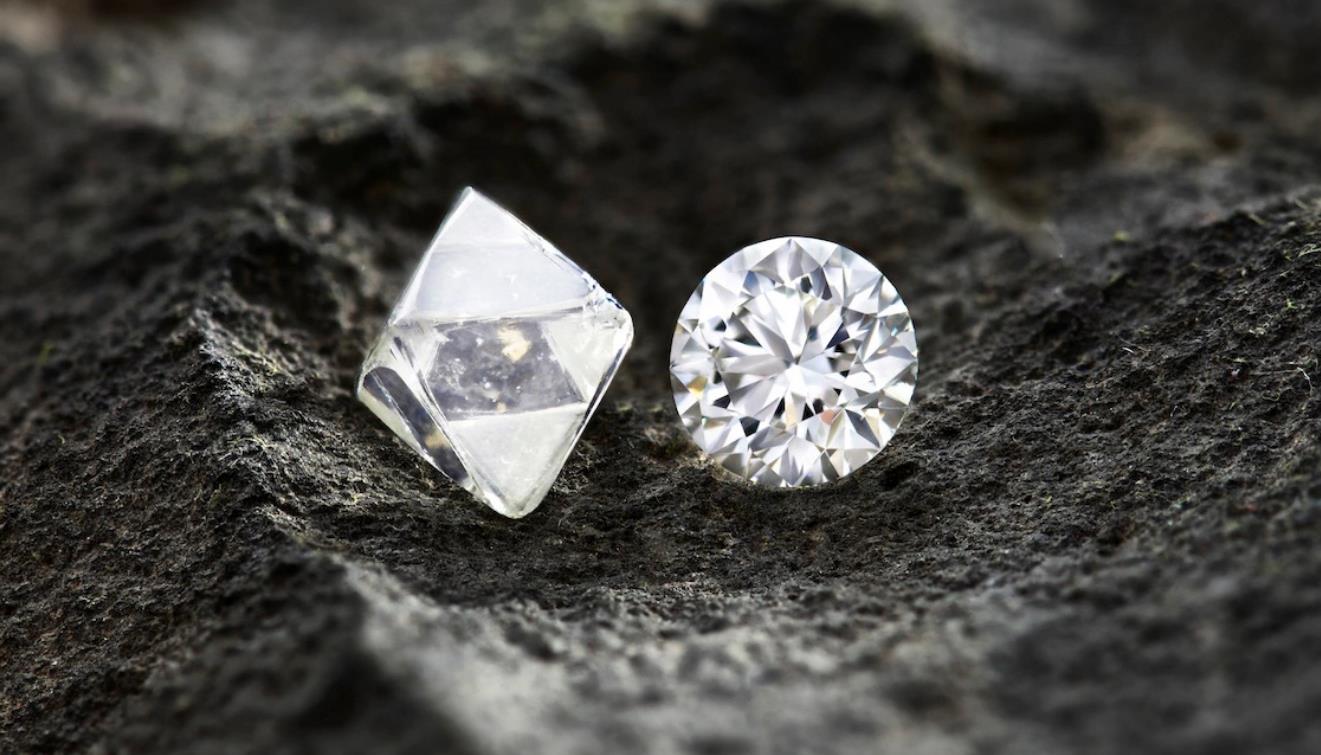
in evaluating the quality of synthetic diamonds, thermal stability is the most important and practical property. It directly dictates the actual performance and service life of diamond tools during high-temperature sintering and cutting operations.Scientific Definition and Measurement: Thermal stability is defined as the ratio of thermal impact strength (TI1) to the original impact strength (TI).Original Impact Strength (TI): Measured by checking the impact resistance of diamonds using a steel ball inside a hardened steel container, which is vibrated at a set frequency by a precision-controlled system, followed by sieving to test the breakdown rate.Thermal Impact Strength (TI1): Measured by first heat-treating the diamonds at 1100°C under the protection of 99.99% pure argon gas for 15 minutes, cooling them to room temperature, and then testing their impact strength using the same method.A ratio closer to 1 indicates that the diamond loses less strength after exposure to high temperatures, representing better thermal stability and superior quality.Positive Correlation with Quality Grade: Under the same grain size conditions, the thermal stability of diamond grains increases gradually as their grade rises. For example, within GE's diamond series, thermal stability shows a clear upward trend from the lower-grade MBS913 to the high-grade MBS970. Thus, the thermal stability value serves as a critical benchmark to evaluate and grade diamond quality.Indirect Reflection of Crystal Purity: The primary driver for the degradation of thermal impact strength (i.e., poor thermal stability) is the presence of metallic inclusions (magnetic impurities) inside the crystal. Because metal expands much more than diamond at high temperatures, it induces severe internal stress and graphitization. Therefore, higher thermal stability typically indicates lower magnetic impurity content and a more integrated internal crystal structure.An Evaluation Dimension Independent of Grit Size: Research demonstrates that for the same grade (such as MBS950), there is no obvious linear relationship between thermal stability and grain size. This means that thermal stability is an independent quality indicator that purely assesses the crystal's intrinsic material quality and internal defect states, separate from the physical grit size.
read more+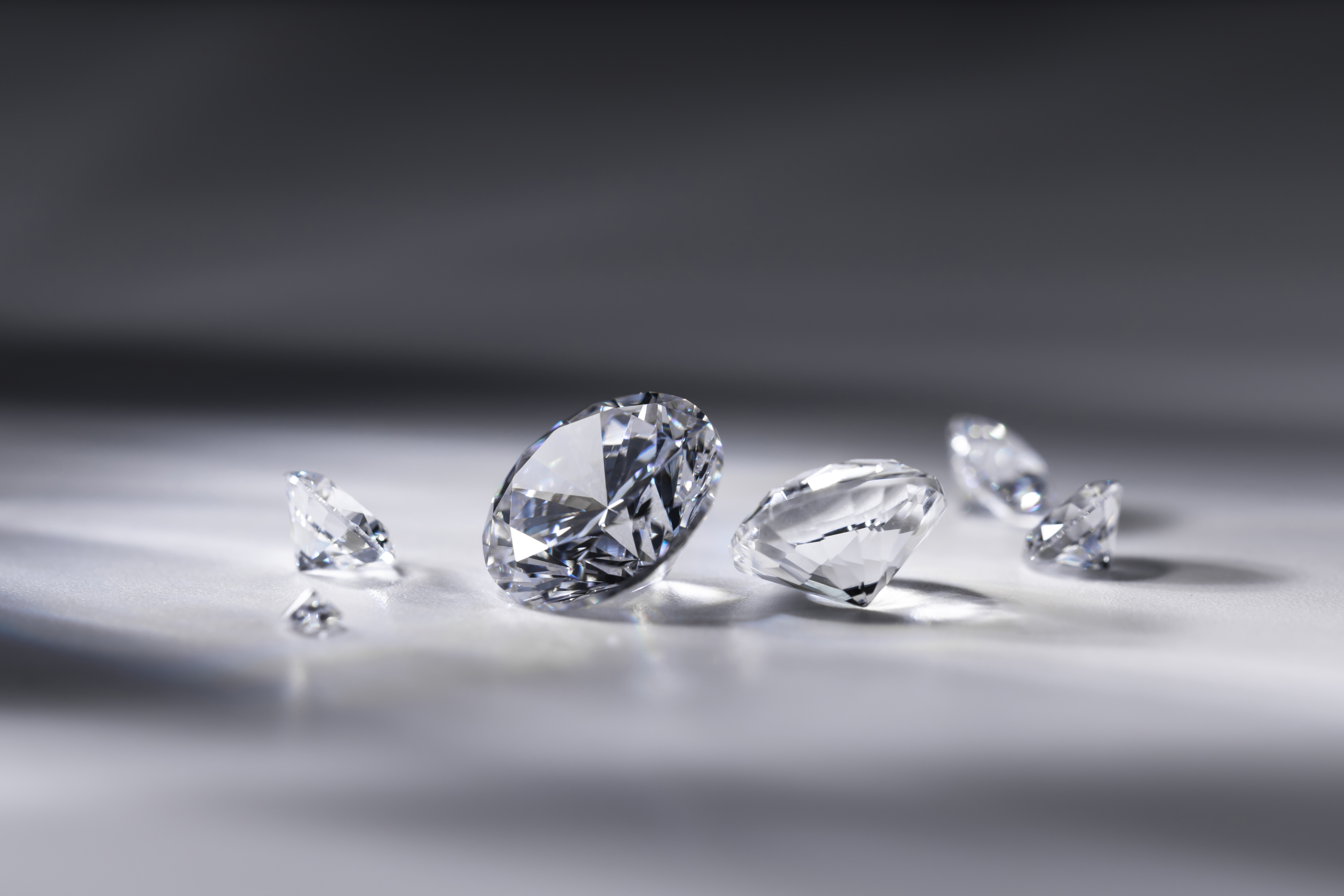
Lab-grown diamonds are not diamond simulants. They share exactly the same physical, chemical and optical properties as natural diamonds, and the only difference between them lies in their formation process. Natural diamonds are formed 160 kilometers below the Earth's surface, where the high temperature and pressure in the mantle make carbon elements crystallize to form the hardest substance in nature after hundreds of millions of years. In contrast, lab-grown diamonds are produced by simulating the natural growth environment through HPHT or CVD technology, which only takes a few weeks to create gem-quality lab-grown diamonds.Compared with natural diamonds, the core advantages of lab-grown diamonds are low price, customizable features and renewable production, which translates to higher cost-effectiveness. As the technology gradually matures, the price of lab-grown diamonds has dropped from 65% of the price of natural diamonds at the end of 2017 to 35% by the end of 2020, and there is still room for further decline in the future.There is a common misconception that diamonds are only used in wedding scenarios to demonstrate preciousness, but the actual consumption logic tells a different story. According to surveys by De Beers, both in China and the United States, 60% to 70% of women buy diamonds for self-reward purposes, to meet the demand for daily accessories rather than for wedding use. Lab-grown diamonds, with their high cost-effectiveness, precisely target this large independent segmented market and hold solid practical value.
read more+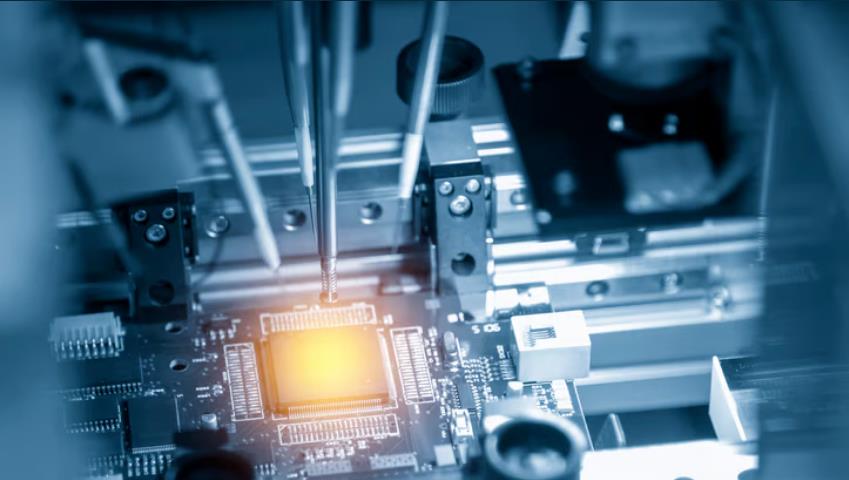
The main reason catalyst metal impurities cause diamond graphitization is that they not only trigger destructive thermal stress inside the crystal but also directly act as "catalysts" to promote the heterogeneous nucleation of graphite.Specifically, catalyst metal impurities (such as Ni, Fe, Mn, etc.) lead to graphitization through the following two mechanisms:1.Promoting the heterogeneous nucleation of graphite (Core chemical/physical mechanism) During the growth of synthetic diamonds, bubble inclusions are extremely prone to form inside the crystal, and catalyst metal impurities like Ni, Fe, and Mn are usually attached around these bubbles. The presence of these catalyst metal impurities makes graphite highly susceptible to heterogeneous nucleation. Whether during the cooling stage in the later period of synthesis or in the subsequent high-temperature heating process, as long as specific temperature conditions are met, these impurities will cause the diamond matrix around the inclusions to begin transforming into graphite first.2.Huge internal stress caused by mismatched physical properties (Mechanical mechanism) After impurities such as catalyst metals enter the diamond crystal, due to the difference in atomic radius from carbon atoms, most of them exist in an interstitial state, meaning they are incoherent with the diamond matrix. More importantly, the thermal expansion coefficients of the catalyst metal inclusions and the diamond matrix are different.When heating the diamond, due to their inconsistent expansion, the inclusions will exert an increasing internal pressure and shear stress on the surrounding diamond matrix.As the temperature rises, the yield stress of the diamond matrix will decrease. When the pressure generated by the internal inclusions equals or exceeds the yield limit of the diamond matrix at high temperatures, the diamond will undergo plastic deformation.Once plastic deformation occurs, the diamond matrix around the inclusions will begin to graphitize. At this point, plastic deformation and graphitization coexist, eventually causing the entire diamond crystal to be destroyed.
read more+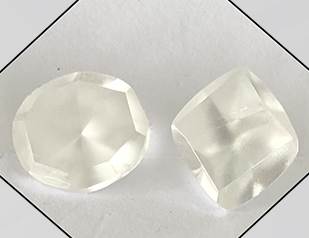
Specifically, distinction can be approached from the following core aspects:1.Detecting Absorption Wavelengths via Spectrometer Diamonds exhibit different colors because their internal "color centers" selectively absorb specific wavelengths of light. Observing the spectral absorption from ultraviolet (360nm) to infrared (800nm) is the foundation for distinction. Natural diamonds (most commonly Type Ia) typically feature naturally formed, concentrated N2 and N3 centers, which create strong light absorption bands at 478nm and 415nm, respectively.2.Identifying "Artificial-Only" Color Centers Analyzing the types of internal color centers can determine if a diamond has undergone artificial coloration:Natural Characteristics: Natural diamonds generally only possess N-series color centers (N1—N9) intrinsically.Artificial Characteristics: Artificial processes like radiation irradiation and heat treatment forcefully impact the crystal or induce atomic movement, creating crystal defects not found in nature.3. "Hard Evidence" of Specific Colors (e.g., Purplish-Red) The materials highlight a specific color center that serves as direct proof for differentiation:N—V Color Center: This structure absorbs wavelengths between 490—640nm, giving the diamond a purplish-red hue.The literature explicitly notes that this N—V color center can only be produced in synthetic (artificial) diamonds.Therefore, any purplish-red diamond containing this specific color center can be definitively identified as an artificial product.If the spectrum detects color centers from the H series (H1—H18), GR series (GR1—GR8), R series (R9—R11), or TR series (TR12—TR17), it proves the diamond has undergone an artificial manufacturing process.4. Considering Color Rarity Artificial coloration is often utilized to produce "precious" hues rarely found in nature. For instance, specific "precious" yellow tones created via 600~800℃ heat treatment (associated with N3 color centers), as well as purplish-red colors, are exceptionally rare in natural diamonds.When encountering fancy color diamonds with such flawless and rare hues, it should arouse high suspicion, necessitating spectroscopic testing to verify whether their color center structures were artificially induced.
read more+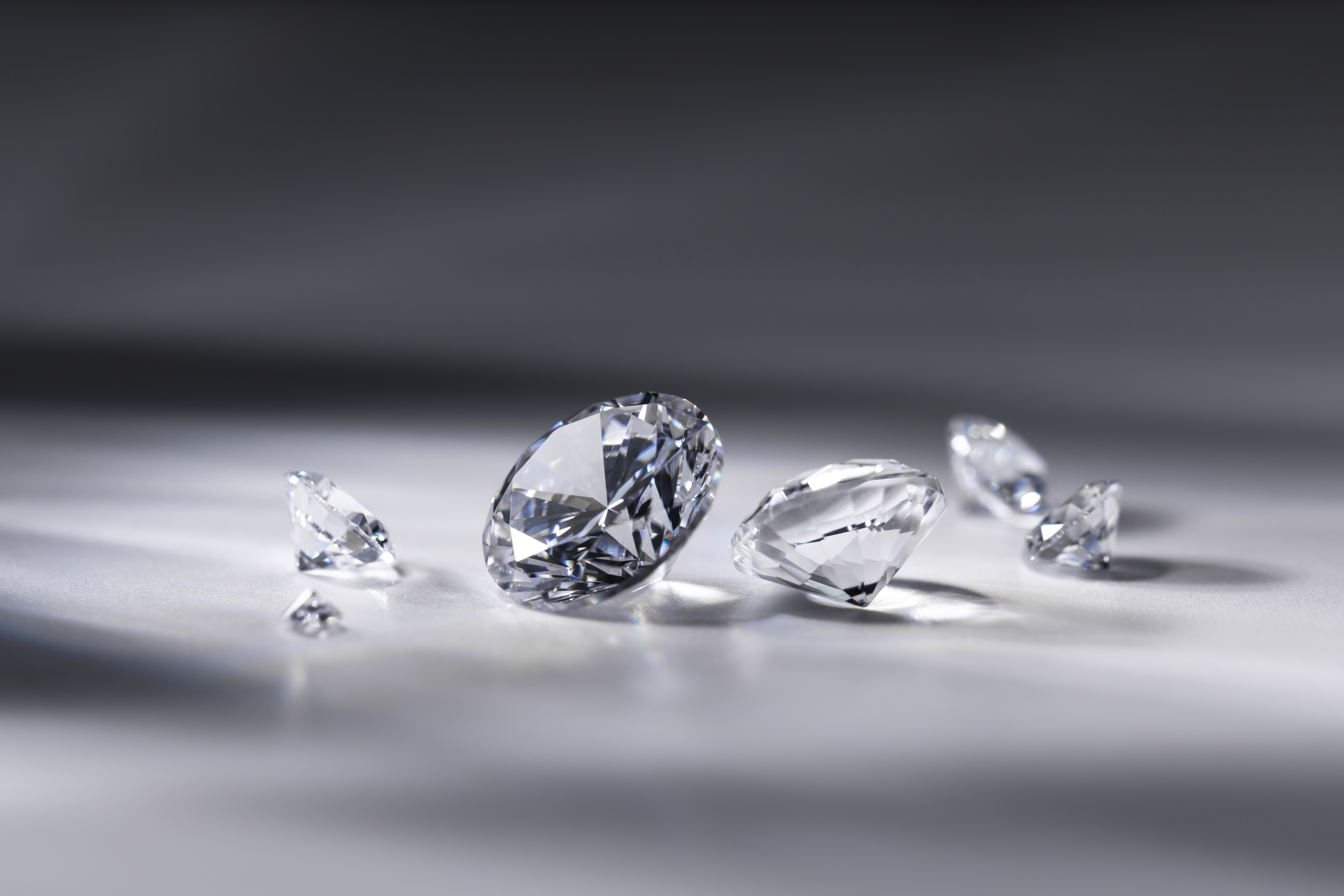
As an important sealing and pressure-transmitting medium in the synthetic diamond system, the internal chemical composition and impurity mineral composition of pyrophyllite will directly affect the pressure transmission, sealing, and high-temperature/high-pressure stability of the medium, thereby significantly affecting the synthesis quality and yield of diamond. The specific impacts are mainly reflected in the following aspects:1. Impact of chemical compositionSilicon dioxide (SiO₂): Pyrophyllite with a higher SiO₂ content usually has better pressure transmission, but if the content is too high, it will cause the raw material to become hard, thereby reducing its sealing performance.Aluminum oxide (Al₂O₃): Pyrophyllite with a higher Al₂O₃ content often exhibits better sealing properties.Iron oxide (Fe₂O₃): Pyrophyllite with a higher iron content has a higher internal friction coefficient.Moisture (structural water/loss on ignition): Pyrophyllite with a higher loss on ignition has a softer texture and good resilience, but an excessively high water content is harmful to diamond synthesis. Under high-temperature and high-pressure environments, free moisture and crystal water will promote the phase transition of pyrophyllite (generating coesite and kyanite) and form a harmful hard crust layer, which will hinder the effective transmission of pressure and interfere with diamond synthesis.2. Impact of impurity mineral compositionLayered and non-layered impurity minerals: Pyrophyllite ore is often accompanied by various impurity minerals. Among them, as long as the content of layered structure impurities (such as kaolinite, sericite, chlorite, etc.) does not exceed 10%, it will not affect the pressure transmission performance of pyrophyllite. However, the content of non-layered structure impurities must be strictly controlled within 5%, otherwise, it will destroy the static pressure rheology of the pressed pyrophyllite powder block, resulting in uneven pressure transmission.Impurity minerals containing iron, titanium, etc.: Although pure pyrophyllite has extremely high pressure transmission, its sealing performance is poor. Experiments show that the presence of small amounts of impurity minerals such as hematite, ilmenite, limonite, and rutile in pyrophyllite can actually effectively improve the sealing performance of the medium.Quartz: An appropriate amount of quartz is beneficial to the synthesis. Studies have pointed out that when pyrophyllite contains about 20% quartz as a pressure-transmitting medium, it not only helps to reduce the synthesis pressure, but also significantly improves the quality of diamond products.In summary, to ensure the high quality of synthetic diamonds, the selected pyrophyllite not only needs to have moderate hardness (to balance pressure transmission and sealing) but also needs to have its specific impurity minerals and moisture controlled within an optimal ratio range. For instance, the loss on ignition should be controlled at 5.5%~7.5%, aluminum oxide at 27%~35%, and silicon dioxide at 47%~65%. Excessively high purity or excessive specific impurities will destroy the cavity environment, thereby reducing the synthesis quality of the diamond.
read more+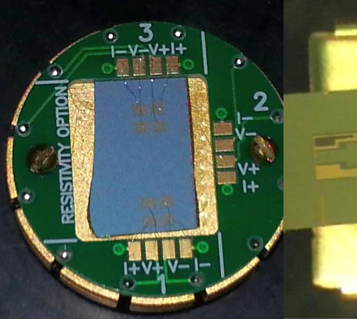
IIn the electronic components and microelectronics industry, the use of diamond films (CVD diamond) is primarily because it combines a variety of extreme and excellent physical, thermal, and electrical properties, which can solve the bottleneck problems faced by modern high-power, high-frequency, and high-density electronic devices. The specific reasons include the following core aspects:2.Extremely High Thermal Conductivity (The Ultimate Heat Dissipation Material)Modern electronic components (such as high-voltage power transistors, laser diodes, 5G/6G RF amplifiers, and CPUs) generate immense amounts of heat while pursuing miniaturization. Diamond is the material with the highest room-temperature thermal conductivity in nature, reaching up to 2000-2400 W/(m·K), which is several times that of copper. Using it as a heat sink substrate or heat spreader close to the chip's "hotspots" (such as adopting GaN-on-Diamond heterogeneous integration technology) can drastically reduce the device's junction temperature, thereby allowing the device to operate at higher power and ambient temperatures, and exponentially extending its service life.Perfect Combination of Thermal Conduction and Electrical Insulation Unlike highly thermally conductive metals such as copper or aluminum, diamond is simultaneously an excellent electrical insulator (its room-temperature resistivity can reach 1016 Ω⋅cm). This allows the diamond to directly contact electronic components for heat dissipation without the need for additional insulating layers that might impede heat conduction. It is highly suitable for packaging scenarios requiring strict electrical isolation.3.Excellent Wide-Bandgap Semiconductor Properties Diamond is hailed as the "ultimate material" for semiconductor technology. As an ultra-wide bandgap semiconductor, it possesses a bandgap width of 5.47 eV, and a critical breakdown electric field far exceeding that of silicon and silicon carbide (10-20 MV/cm, over 33 times that of silicon). Moreover, it has extremely high carrier mobility (at room temperature, electron mobility is about 4000 cm²/V·s, and hole mobility is about 3800 cm²/V·s). These properties enable diamond to be directly used in manufacturing next-generation ultra-high voltage, ultra-high frequency, and high-temperature tolerant semiconductor components (such as Schottky diodes and field-effect transistors).4.Extremely Low Dielectric Loss, Suitable for High-Frequency/Microwave Applications Diamond features a low dielectric constant and extremely low dielectric loss (tanδ<10−4 at 10 GHz). In microwave and high-speed digital circuits, as a substrate for passive RF resistors or high-power terminations, diamond can absorb immense thermal energy at frequencies up to 26.5 GHz or higher without causing RF signal distortion, exhibiting performance far superior to traditional Aluminum Nitride (AlN).5.Excellent Physical/Chemical Stability and Radiation Resistance Diamond possesses extremely high mechanical strength, chemical inertness, and corrosion resistance. It is chemically inert below 300°C, and remains absolutely stable at 600°C in the air or 1200°C in a vacuum, making it very suitable for high-reliability applications like aerospace. In addition, diamond's incredibly strong radiation hardness allows it to serve stably for long periods as tracking detectors in extreme high-energy particle collision or nuclear industry environments, such as at the European Organization for Nuclear Research (CERN).6.Excellent Thermal Expansion Matching Potential Pure diamond has a very low coefficient of thermal expansion (CTE) (approximately 0.8-1.0 × 10⁻⁶ K−1). In industrial applications, it is often combined with highly thermally conductive metals (like copper or silver) to create metal-diamond composites. These composites not only retain ultra-high thermal conductivity but can also have their CTE precisely tailored to match the levels of semiconductor chips like Silicon (Si), Silicon Carbide (SiC), or Gallium Nitride (GaN). This significantly reduces destructive shear stresses and micro-cracks generated by mismatched thermal expansion during rapid thermal cycling in the equipment.
read more+
Although lab-grown diamonds have massive development potential in the current market, they still face severe challenges in terms of industrial chain structure, external competition, and their own brand building:1.Unbalanced industrial chain structure, with high-value-added profits flowing overseas Although China accounts for over 70% of the rough production in the global lab-grown diamond industry chain, this is mainly limited to the upstream manufacturing sector. The midstream cutting and polishing sector, which has extremely high added value, is a weak point in the domestic market. Reasons for this include a shortage of domestic professionals, high labor costs, and unequal domestic and export sales policies such as export tax rebates. Because India dominates this area, China's lab-grown diamond industry is basically in a state of "making wedding clothes for others," with the vast majority of profits flowing overseas.2.Facing marketing suppression from natural diamonds and the impact of value-preserving substitutes (like gold) In the terminal consumer market, lab-grown diamonds are encountering the dual impact of fierce external competition and changing consumer trends:Marketing counterattacks from natural diamonds: To maintain their status, the natural diamond industry often uses advertising rhetoric in marketing campaigns to publicly disparage lab-grown diamonds, describing them as a "boring" choice. While controversial, this rhetoric has indeed negatively affected consumers.Diversion to value-preserving products like gold: In the current environment, diamonds have poor liquidity, and consumers are paying more attention to gold jewelry with high practical value. Therefore, in addition to dealing with the counterattacks from the natural diamond industry, lab-grown diamonds must also face the trend of consumers shifting toward value-preserving products like gold.3. Lagging brand and channel construction, bogged down in low prices and homogeneous competition Currently, most lab-grown diamond companies have obvious shortcomings in commercial operations,:Lack of brand premium and experience: Currently, most lab-grown diamond companies are still stuck at the level of product production and low-price competition, lacking brand-building awareness and capability. This leads to severe product homogenization, a lack of brand premium, and makes it difficult for most consumers to experience a comfortable retail scenario.Polarized and chaotic online channels: On the one hand, online sales channels are flooded with cheap fakes, disrupting the market; on the other hand, although some traditional brands have opened online flagship stores, their overall marketing strategies are one-dimensional,.
read more+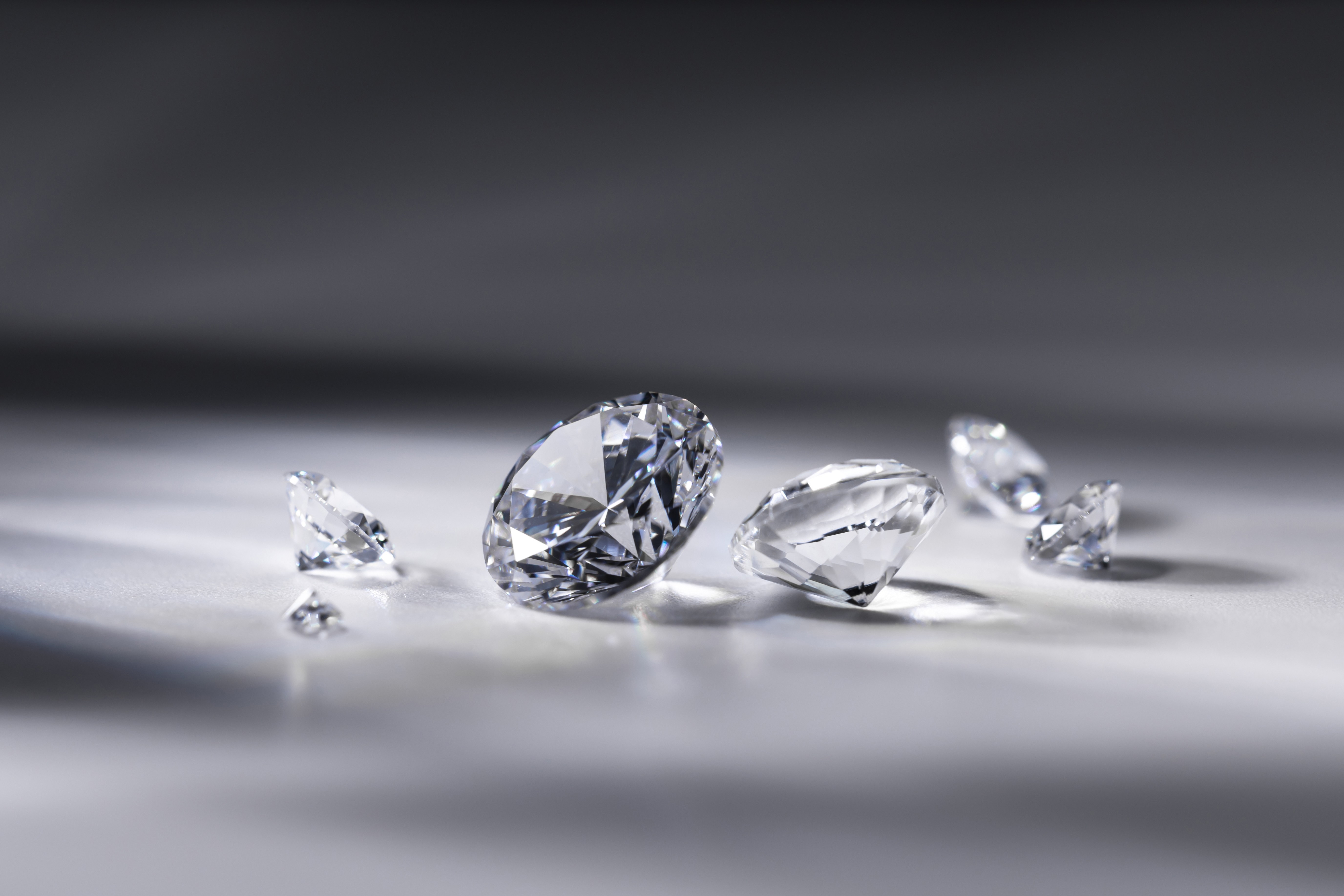
Automated synthetic diamond cutting comprehensively reduces production costs primarily by introducing precision equipment, improving processing efficiency, reducing reliance on manual labor, and minimizing material loss. This is specifically reflected in the following key aspects:1.Lower the technical threshold and reduce reliance on highly paid skilled workers. Traditional diamond cutting relies heavily on the experience of technical workers and master craftsmen. Human factors have a large impact, so industry thresholds and labor costs are extremely high. Modern automated processes significantly increase mechanical involvement. By introducing precision instruments to replace human judgment, it greatly reduces reliance on master experience and the overall technical threshold for cutting. Eliminating this dependence on manual labor not only directly saves expensive labor costs but also makes it easier for cutting mills to achieve miniaturization and industrialized operations.2. Optimize processing steps to comprehensively improve production efficiency and reduce material loss. Modern processes have achieved high levels of automation in the first three steps of diamond processing: design, division, and rounding, which inevitably leads to a significant reduction in production costs:Design stage: It abandons traditional design and marking that relied on manual experience. Instead, it uses precision instruments for three-dimensional scanning and modeling, utilizing algorithms to calculate the optimal cutting solution, thereby minimizing the negative impact of human factors.Division stage: Laser cutting technology is used to replace traditional sawing or cleaving. Traditional cleaving carries higher risks and sawing results in more loss. Laser cutting not only avoids risks and reduces rough stone loss but also greatly improves efficiency. For example, a rough stone of about 3 carats only takes 10 to 15 minutes to be automatically cut by a machine with very little manual intervention.Rounding stage: It discards the traditional slow and inefficient method of rotating and grinding two diamonds against each other. Instead, it uses an automatic grinding machine with a rough grinding wheel, further reducing manual intervention and greatly improving processing speed.Cutting and polishing stage: It innovatively introduces a brand new modern mechanical drilling jig (i.e., the "lapidary arm" or "cutting arm"). It not only realizes multi-purpose use for one arm but can also be precisely controlled by a computer to process 57 or 58 facets of a round brilliant cut with high precision.3. Processing fees experience a cliff-like drop. The most direct manifestation of high automation is the massive reduction in the processing fee per carat. According to calculations, the manual cutting fee in India is currently about 300 to 400 RMB/carat, while China's domestic manual cutting fee is as high as 400 to 600 RMB/carat. In contrast, using automated cutting has a huge cost advantage: in small-scale automated cutting mills in Shenzhen, the processing fee can be as low as 150 RMB/carat. If the automated cutting mills are further moved to inland China, the cutting fee can even drop to an astonishing 60 RMB/carat.In summary, by subverting traditional heavy physical and experience-based operations, and utilizing modern instruments and computer controls, automated cutting has achieved rapid efficiency improvements and reduced losses in all procedures, thereby giving the synthetic diamond industry a tremendous cost advantage.
read more+The intersection of Jingjin Road and Wei Yi Road, Luoxin Park, Economic and Technological Development Zone, Xin'an County, Luoyang City, Henan Province, China
+86 0379-6068-6876 |